
ultimate-guide
Selling an Estate Silver Flatware Set: What to Know First
Editorial Team · · 15 min read
Last Updated: November 14, 2026
Quick Summary
Estate silver flatware is often worth more than families expect, but the value depends on weight, purity and condition. Sterling is 92.5 percent silver, and buyers price most sets by weight in troy ounces times the current silver price. Confirm the purity marks and get a second opinion before you sell.
- Sterling flatware is marked "sterling," "925" or ".925", while plate carries marks like EPNS or A1.
- A magnet test helps: sterling is not magnetic, so a magnet that sticks points to base metal underneath.
- Hollow-handled knives often hold filled handles, so the real silver weight can be much lower than the scale suggests.
- Weigh the full set on a calibrated scale and ask how the buyer's offer was calculated.
- Keep a written receipt that lists the weight, purity and amount paid for every sale.
Table of Contents
- Why Estate Silver Flatware Is Worth More Than You Think
- How to Identify Sterling Silver Flatware Before You Sell
- How Silver Flatware Value by Weight Is Calculated
- What Drives the Resale Value of a Flatware Set
- Who Pays Most for Silver Flatware and Why
- Where to Sell Estate Silver Flatware Safely
- Selling as a Complete Set or by Weight
- Emotional Value vs. Financial Value: Deciding What to Keep
- Getting Your Estate Silver Valued at The Gold and Silver Exchange
- Frequently Asked Questions
Why Estate Silver Flatware Is Worth More Than You Think
If you've inherited a box of sterling forks and spoons, you're probably wondering whether they're worth the trouble of selling. Our sterling and flatware buying service covers exactly these pieces. Here's the short answer: often more than you'd guess, but the number depends heavily on weight, purity and condition.
Some recent market context helps.
The catch is that flatware is sold by weight, and the metal is only part of the picture. Our guide on getting a fair offer for precious metals walks through what a buyer should show you.
How to Identify Sterling Silver Flatware Before You Sell
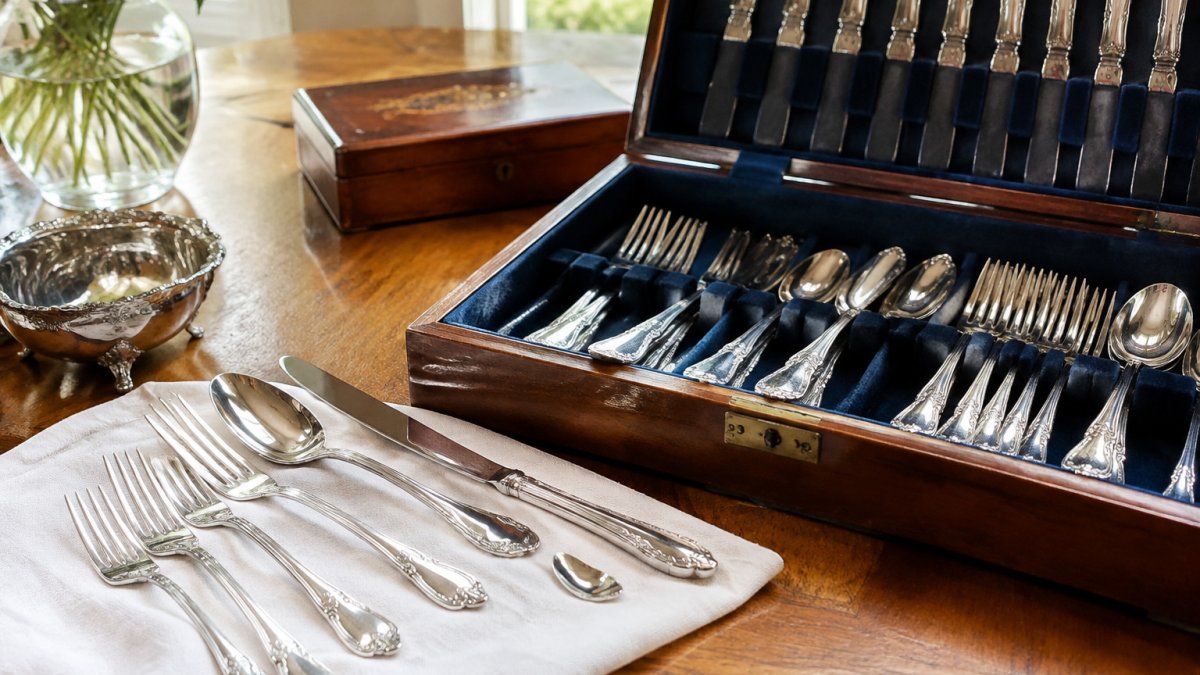
Before anyone can price a set, you need to know what it is. Sterling silver is 92.5 percent silver, and most of the value sits in that content. Silver plate looks similar from across the room but is a thin layer over a base metal, and it's worth a small fraction of sterling. Sorting the two is the first job, and it's where most sellers get burned.
Reading Hallmarks and Sterling Marks
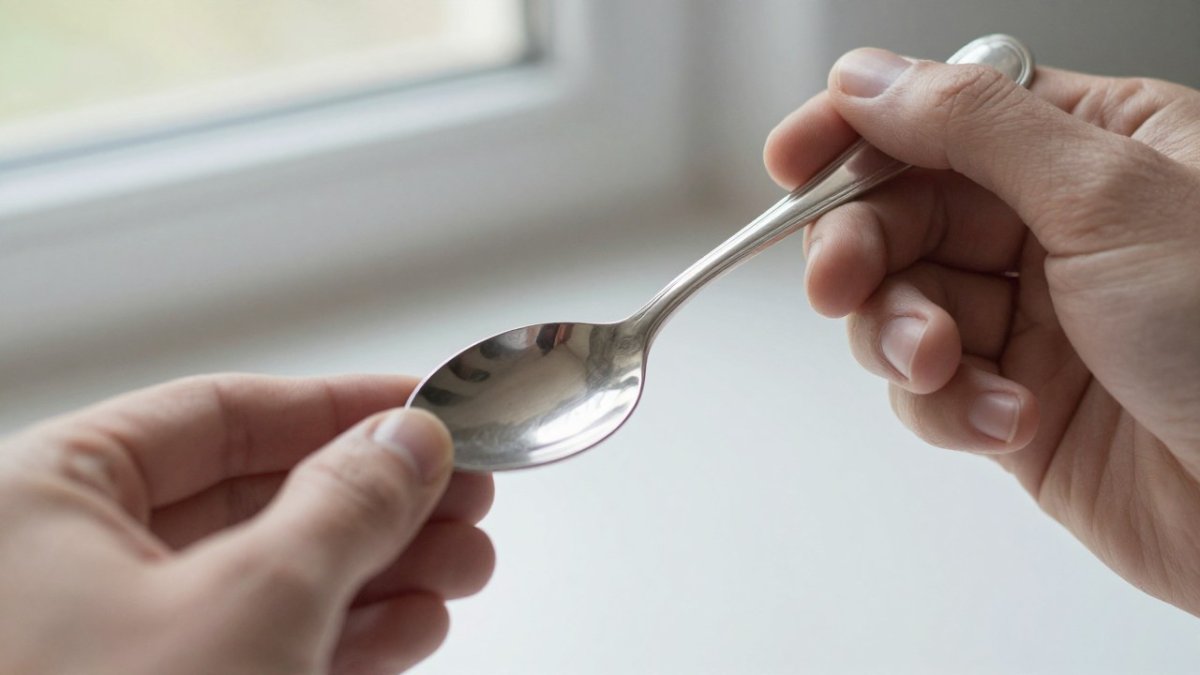
Turn each piece over and look at the back of the handle, the bowl, or the underside. Sterling pieces usually carry "sterling," "925," or ".925" stamped in the metal.
A few marks deserve a second look. "Coin silver" means roughly 90 percent silver, not 92.5, so it's close to sterling but not identical.
Use a jeweler's loupe or a bright light and a little patience. Worn marks can look like scratches at a glance. If you're unsure who to trust, this guide on evaluating local buyers lays out what to look for.
Telling Silver Plate From Sterling
Plated pieces often show a bright, uniform color with a copper or brass glint where the plating has worn through. Sterling tends to look richer and wears to a softer, grayer patina. The weight is also a clue: sterling feels noticeably heavier in the hand than plate of similar size.
Those visual cues are helpful but not decisive. Here are the tests that actually settle the question, roughly in order of how much trust to put in them:
- The magnet test. Sterling is not magnetic. A strong magnet will not stick to it. If a magnet grabs a piece, there's steel or another base metal underneath, which means plate or a filled handle. A magnet that doesn't stick proves very little on its own, though, because copper and brass aren't magnetic either.
- The ice test. Silver conducts heat faster than most base metals. Put an ice cube on a piece and it should start melting almost immediately and feel cold to the touch. Plated pieces are slower. It's a parlor trick more than proof, but it's a useful first filter.
- The ring test. Tap a clean piece gently. Sterling gives a clear, bell-like ring that fades slowly. Plated or filled pieces tend to thud. Again, suggestive, not conclusive.
- The acid or scratch test. Jewelry supply shops sell silver testing kits that use a small drop of acid on a scratch. The color change tells you the approximate purity. This is the most reliable home method, but it leaves a tiny mark, so test on the underside of a handle, never the face.
- The weight check. Weigh a piece on a calibrated scale and compare it to what a solid piece of that size should weigh. A hollow-handled knife that feels light for its bulk is usually filled or plated, even if the blade is stamped sterling.
Watch out: hollow-handled knives and serving pieces are the classic trap. Many sterling sets have stainless blades and filled handles, and the handle fill is not silver. A set that looks like 50 troy ounces on the scale may only contain 30 ounces of actual silver once you account for the fill and the blades.
When to Stop Guessing and Get a Second Opinion
If you've checked the marks, run the magnet and ice tests, and still aren't sure, don't sell on a hunch. A local jeweler or a reputable dealer can test a piece in minutes. Bring one representative piece from each pattern rather than the whole set. If the pieces test as plate, you've saved yourself a wasted trip and a lowball offer. If they test as sterling, you now know what you're holding before anyone quotes you a price.
Don't rely on looks alone. Stamped marks and a weight check on a calibrated scale settle the question faster than any guess.
How Silver Flatware Value by Weight Is Calculated
Buyers price sterling flatware mostly by its silver content. The basic math is simple: weight in troy ounces, multiplied by the silver price per ounce, multiplied by the purity percentage.
Here's the process in plain terms:
- Weigh the complete set on a calibrated scale, including serving pieces.
- Convert the weight to troy ounces.
- Multiply by 0.925 to account for sterling purity.
- Multiply the result by the current spot price of silver.
Spot prices move, so the number you calculate today may differ from what you're offered next week. You can check live gold and silver spot prices per troy ounce to run the math yourself. Most sellers should also expect a buyer's margin below spot.
For a current reference point, check [PAGE: Current Gold and Silver Prices | page:4] when you're estimating the weight-based value of your set.
What Drives the Resale Value of a Flatware Set
Weight sets the floor. Several other factors push the price up or down from there.
Completeness. A full service for twelve sells better than a partial set because the pattern is easier to match and replace.
Pattern and maker. Recognized patterns from known silversmiths can command more than their metal content, especially if they're still wanted for replacements.
Condition. Deep scratches, heavy monogramming or dents affect collector interest more than metal value. Light tarnish is cosmetic and cleans up easily.
Market timing. Silver prices shift, and so does demand for certain patterns. Selling in a strong metals market usually helps, but you can't time it perfectly.
Who Pays Most for Silver Flatware and Why
Different buyers pay different amounts, and the highest bidder isn't always the one with the biggest sign.
- Refiners and bullion dealers pay for metal content. They'll generally offer weight-based prices, minus their margin.
- Pattern-matching services pay for pieces they can resell to people replacing lost flatware, which can mean better prices for popular patterns.
- Local dealers and estate buyers handle mixed collections and can often value the set as a whole, including pattern and condition.
- Collectors and antique dealers pay the most for rare or sought-after patterns but are selective about condition and completeness.
Online buyers and private sales can also work, but some sellers worry that a distinctive set might get melted down by a dealer. That's a fair concern. If a pattern matters to you, ask a buyer what they plan to do with it before you sign anything.
Where to Sell Estate Silver Flatware Safely
Selling estate silver flatware works best when you compare more than one offer and keep everything in writing. A few habits protect you:
- Get the weight and purity confirmed on a calibrated scale, in front of you.
- Ask how the offer was calculated and what spot price was used.
- Insist on a written receipt that lists each piece or the total weight and amount paid.
- Don't feel pressured to decide on the spot. A legitimate buyer will let you think it over.
Those habits cover the transaction. The part nobody talks about is the logistics, getting a heavy, fragile set from the dining room to a buyer without losing pieces or money along the way.
Selling in Person vs. Shipping
If you have a local dealer you trust, selling in person is almost always the safer route. You keep the set in your sight, you see the scale and the math, and you walk out with payment. For a full service for twelve, that's usually the right call.
Shipping makes sense when the best offer comes from a pattern-matching service or an online buyer that isn't local. Before you box anything, confirm three things in writing: who pays for shipping, who insures the package, and what happens if a piece arrives damaged or goes missing.
Packing a Flatware Set So It Arrives Intact
Flatware is dense and it shifts. A box that feels fine when you seal it can arrive with bent tines and scratched bowls. A few rules keep a set intact:
- Wrap each piece individually. Use soft, lint-free tissue or bubble wrap. Don't let silver rub against silver; that's how scratches happen.
- Bundle in small groups. Rubber-band or tie wrapped pieces in sets of six to eight, then cushion the bundles.
- Use a rigid box with at least two inches of padding on every side. Crumpled paper settles; foam or bubble wrap doesn't.
- Double-box it. Put the padded inner box inside a larger outer box with more padding between the walls. This is the single biggest thing you can do to prevent damage.
- Keep the weight reasonable. A full sterling set can run 40 to 60 troy ounces or more, and dense metal in one box stresses the seams. Split very large sets into two boxes if the buyer allows it.
- Photograph everything before it ships. Lay the pieces out, shoot the whole set, and keep the photos. If a dispute arises, you have a record of what left your house.
Watch out: declared value and insurance are not the same thing. Carriers often limit automatic coverage, and silver is a common exclusion or requires a separate declared-value fee. Ask the buyer who is covering that fee before you hand over the box, and get the tracking number in writing.
What to Bring to an In-Person Sale
If you're selling locally, make the trip count. Bring the whole set if you can, including serving pieces, because buyers price completeness. Bring any original boxes, pouches, or paperwork, they don't add metal value, but they help with pattern identification and collector appeal.
At The Gold and Silver Exchange, we weigh pieces on calibrated scales in front of you and walk through the calculation before you decide. If you want to understand what makes a buyer trustworthy, read [PAGE: Are Gold Buyers Near Me Trustworthy? | article:3] or [PAGE: How to Sell Precious Metals for the Best Fair Offer | article:2] for more.
Selling as a Complete Set or by Weight
You have two main options: sell the set whole, or sell it by weight. Each has trade-offs.
| Option | Best When | Main Trade-off |
|---|---|---|
| Complete set | Pattern is recognized and the set is full | Buyers may discount for condition or missing pieces |
| By weight | Pattern is unknown, pieces are mismatched, or the set is incomplete | You get metal value, not pattern value |
| Split sale | Some pieces are popular and others are plain | Takes more time but can raise the total |
Selling as a complete set usually makes sense when the pattern is in demand and the set is full. Selling by weight is simpler and fair when the pattern is common or the set is incomplete. Many estate sets end up split: the desirable pieces go to a collector or pattern service, and the rest goes to weight.
Ask any buyer to quote both options. The gap between them tells you whether the pattern is adding real value.
Emotional Value vs. Financial Value: Deciding What to Keep
This is the hardest part for most families. A set that belonged to a grandmother carries memories the scale can't measure. Before you sell, separate the two kinds of value.
Start by picking out the pieces you'd actually use or display. Then sell the rest.
There's no wrong answer. Some people sell everything and use the money for a specific goal. Others keep the whole set. What matters is that you decide on purpose, not because a buyer pushed you into it.
Getting Your Estate Silver Valued at The Gold and Silver Exchange
If you have an estate set you want valued, bring it to The Gold and Silver Exchange. You can find our Grand Rapids and Greenville locations and reach the team to set up a visit.
We serve the West Michigan community. You can [PAGE: visit us or send a message | page:5] to ask a question first. Walk-ins are welcome, and private appointments are available.
Get started with The Gold and Silver Exchange and find out what your family silver is really worth, based on weight, purity and current market prices.
Frequently Asked Questions
Who pays most for silver flatware?
Buyers who weigh pieces on calibrated scales and price them against the live spot market usually make the strongest offers for sterling flatware. Dealers who specialize in precious metals tend to pay more than general pawn shops or pop-up buyers, because they can resell the metal efficiently. Compare written offers, ask how the number was calculated, and confirm whether the offer reflects weight and purity or a flat per-piece amount. A fair buyer will walk you through the math without pressure.
Is it worth selling silver flatware?
It depends on the set's sterling content, its total weight, and whether pieces are complete. A sterling set can carry meaningful metal value, while silver-plated pieces usually bring very little. Many families keep pieces they use or that carry sentimental meaning and sell the rest. Get a weighed valuation before deciding, so you can compare the offer against what the metal is worth at today's price.
How much is a 12 piece set of sterling silver flatware worth?
Value depends on the weight of the set, the current silver price, and the condition of the pieces. A 12-piece place setting of sterling typically includes forks, knives, and spoons, and the weight can vary widely by pattern. Because prices change daily, a published figure may not match an offer you receive today. Bring the set in for a weighed valuation to get a number tied to the current market.
Is now a good time to sell silver flatware?
Silver prices move constantly, so timing matters less than knowing the spot price on the day you sell. Check the current spot price, then ask any buyer how their offer relates to it. There is no need to rush: a no-pressure buyer will let you take time to compare offers before deciding.
How can you tell whether flatware is sterling silver or silver-plated?
Look for a sterling mark, usually reading "sterling" or "925" on the back of the handle or on the bowl of a spoon. Plated pieces often show a marking such as "EPNS" or "silver plate," and the metal beneath wears through to a different color at edges. A magnet test will not work on silver, so rely on marks and a professional test. If marks are unclear, have a dealer assess the pieces in person.
Should you sell an estate silver flatware set as a complete set or by weight?
Selling by weight usually gives you the metal value, while a complete set can sometimes earn more to a collector who wants the full pattern. Matching pieces are harder to replace, so a complete set may be worth more if the pattern is recognizable. Ask buyers how they price each option, and compare the two numbers before you choose.
What information should you bring when getting silver flatware valued?
Bring the full set or as many pieces as you have, any original box or documentation, and information about the pattern name and maker if you know it. A rough count of pieces and any known history, such as an estate appraisal, also helps. Ask the buyer to weigh the pieces in front of you and to put the valuation in writing, including the metal content and the price used.
