
listicle
Gold and Silver Coins: What to Buy and What to Skip
Editorial Team · · 12 min read
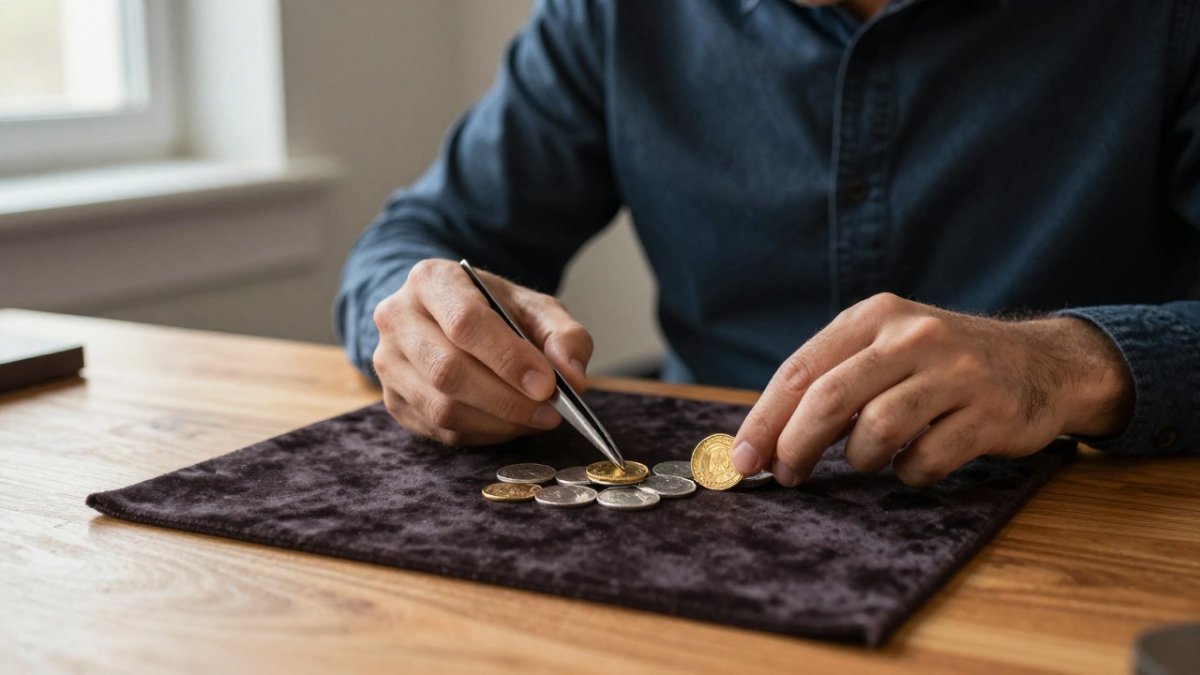
Last Updated: November 24, 2026
Quick Summary
Gold and silver coins can be a sensible way to hold precious metals, but they are not right for everyone. Whether they fit depends on whether you want a store of value, a hedge, a collection, or a way to turn metal you already own into cash.
- Check the live spot price first so you know how much you are paying above the raw metal value.
- Bullion coins track the metal price plus a premium; collectible coins are valued for rarity and condition.
- Compare the dollar and percentage premium with every dealer, since a low sticker price can still carry a high premium.
- Factor in shipping, insurance, storage and the gap between buy and sell prices before you commit.
- Verify weight, diameter and purity against published specs, and use a magnet or electronic tester as extra checks.
Table of Contents
- Are Gold and Silver Coins Worth Buying?
- Bullion Coins vs. Collectible Coins: Which Fits Your Goal
- Best Gold Coins for Investment
- Best Silver Coins for Investment
- How to Buy Gold and Silver for Investment
- How to Check Authenticity and Avoid Counterfeits
- Finding Gold and Silver Coins Near You and Booking Your Sale or Purchase
- Frequently Asked Questions
Are Gold and Silver Coins Worth Buying?
Gold and silver coins can be a sensible way to hold precious metals, but they are not right for everyone. Whether they fit depends on why you want them: a store of value, a hedge, a collection, or simply a way to convert metal you already own into cash.
Precious metal prices move with interest rates, inflation, currency strength and demand from buyers around the world. Before you buy, check the live spot price for the metal you are considering so you know what you are paying above the raw metal value. U.S. Mint precious metal coin program overview
Demand is clearly active right now. A survey reported that 38.6% of Americans aged 35 to 64 had bought gold or silver, and that more than 9 in 10 of those buyers planned to buy again in 2026 (PR Newswire survey release on gold and silver buyers). The survey does not say how many of those purchases were coins, so treat it as a sign of interest, not a verdict on coins.
Buyers often ask whether it is better to buy coins or bars. The general trade-off is that coins often cost more per ounce but can be easier to sell in small amounts, while bars usually carry smaller premiums. The right choice depends on how you plan to use the metal.
Bullion Coins vs. Collectible Coins: Which Fits Your Goal
Bullion coins are valued mainly for their metal content. Their price tracks the spot market plus a premium. Collectible coins, also called numismatic coins, are valued for rarity, condition and historical interest, and their prices can move in ways the metal does not.
If your goal is to hold metal, stick with bullion. A common mistake is paying a collector premium for a common date coin that will only sell near melt value. If your goal is a hobby with some upside, numismatic coins can be fun, but expect to do more homework on grading and provenance.
Best Gold Coins for Investment
Gold bullion coins sold in the United States include the American Gold Eagle and American Gold Buffalo from the U.S. Mint. The 2026 issues carry a Liberty Bell privy mark with the numeral "250" and a 1776 to 2026 dual date, which makes them attractive to collectors as well as holders. The Mint's precious-metal coin pages list both programs (U.S. Mint gold coin offerings).
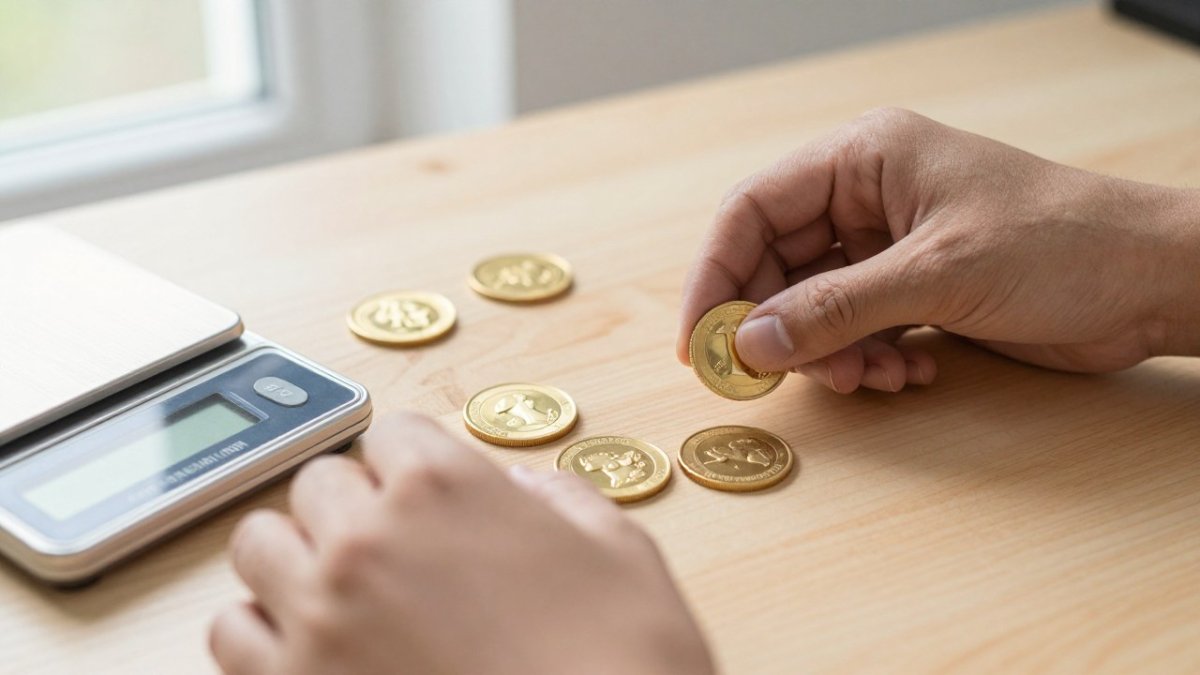
Many buyers also look at widely traded foreign bullion. The South African Krugerrand and Canadian Maple Leaf are both 1 oz gold coins that appear on established best-seller lists (Tavex list of best-selling gold and silver coins).
Pricing for every coin depends on quantity, the dealer and the day's market, so check current quotes before you buy.
Best for: buyers who want a recognized, easy-to-resell 1 oz gold coin. Skip if: you are paying a large collector premium for a coin you plan to hold only as bullion.
Best Silver Coins for Investment
The American Silver Eagle is the most common U.S. silver bullion coin. It is part of the same U.S. Mint program as the gold Eagle, and its 2026 issue carries the same 250th-anniversary design details (U.S. Mint precious metal coin program overview).
Silver coins often carry a higher premium relative to their metal value than gold coins, so compare the premium over spot before you commit. Silver is also bulky. Buying a few ounces is manageable; buying a large stack takes storage planning.
Watch out: silver premiums can swing quickly when demand spikes. A quote that looked fair last week may not hold today.
How to Buy Gold and Silver for Investment
Buying coins is mostly a math problem wrapped in a trust problem. Get the math right and the trust part gets easier.
Start with the premium, not the sticker price. The premium is what you pay over the live spot price of the metal in the coin. For example, a 1 oz gold coin at a hypothetical $2,000 spot with a 5% premium would cost $2,100. Ask every dealer for the premium in dollars and as a percentage, because a "low price" on a smaller coin can still carry a fat percentage premium.
Know what the total cost of ownership looks like before you commit. The purchase price is only the first line item. Add shipping and insurance if you buy online, any sales tax your state charges on precious metals (rules vary widely by state and by whether the coin is legal tender), storage and insurance if you use a vault or safe deposit box, and the resale spread, the gap between what a dealer pays you and what they sell for.
Match the coin to the order size. If you are buying a few ounces, 1 oz bullion coins are simple and liquid. If you are moving a larger amount, compare the per-ounce premium on 1 oz coins against larger bars, because bars usually carry a smaller premium per ounce but are harder to sell in small pieces. A common pattern is to hold a core of 1 oz coins for flexibility and use bars for the bulk of the metal.
Buy from a dealer that documents everything in writing. You want a written confirmation that shows the coin, the weight, the purity, the premium, and the total. Ask whether the dealer weighs the metal in front of you, whether they guarantee authenticity, and how their buyback works before you hand over payment. Payment methods matter too: wire and check are common for larger orders, while card payments often carry a surcharge because of processing fees.
Watch out: a quote that is not locked can move against you between the phone call and the settlement, so ask explicitly whether the price is firm and for how long.
Finally, keep records. Store receipts, certificates, and any grading documentation with the coins or in a separate secure place. If you ever sell or pass the coins on, that paperwork is what separates a smooth transaction from a painful one.
How to Check Authenticity and Avoid Counterfeits
Counterfeits are common enough that every buyer should have a routine. The good news is that a few cheap tools and a little knowledge catch most fakes.
Start with the official specifications. The U.S. Mint publishes the weight, diameter, thickness, and purity for each of its coins, and those numbers are the first test. An American Gold Eagle contains 1 troy oz of gold but weighs 1.0909 troy oz because it is alloyed with silver and copper for durability. An American Silver Eagle weighs 1 troy oz and is 99.9% silver. A counterfeit that is off on weight or diameter by even a small margin fails the test.
The ring test and the magnet test are quick second checks. A genuine gold or silver coin has a distinct ring when tapped, and precious metals are not magnetic. A strong magnet should not stick to a real coin. These tests are not conclusive on their own, but they catch many plated or base-metal fakes.
For higher-value coins, use a precious metal tester. Electronic testers that measure resistivity or use X-ray fluorescence (XRF) can confirm metal content without damaging the coin. Many local coin shops and pawn shops will test a coin for you, sometimes for a small fee. If you are buying a coin that carries a collector premium, a third-party grading service such as NGC or PCGS can authenticate and grade it.
Watch out: a counterfeit can pass a magnet test and still be wrong, plated tungsten and copper cores are common, so weight, diameter, and a tester together are stronger than any single check.
Know the red flags. Coins sold far below spot, unfamiliar mints, "deals" offered at hotel meetings or pop-up events, pressure to buy quickly, and sellers who will not let you weigh or test the coin are all reasons to walk away. Reputable dealers show you the weighing and give you time. If you are buying online, stick with established dealers who publish return policies and authentication guarantees, and pay with a method that gives you recourse if the coin turns out to be fake.
Finally, keep the paperwork. Certificates of authenticity, grading slabs, and receipts are part of the coin's value and your proof if something goes wrong.
A few quick checks catch most fakes, and the specs are the first test.
| Check | What to look for | Note |
|---|---|---|
| Weight | American Gold Eagle weighs 1.0909 troy oz | Compare to published spec for that coin and year |
| Weight | American Silver Eagle weighs 1 troy oz | Off by even a small margin fails |
| Purity | Silver Eagle is 99.9% silver | Check against the Mint's specs |
| Magnet test | Real gold or silver is not magnetic | Catches many plated fakes, not conclusive |
| Ring test | Genuine coins give a distinct ring when tapped | Quick second check only |
| Electronic tester | Measures metal content without damage | Coin shops may test for a small fee |
Finding Gold and Silver Coins Near You and Booking Your Sale or Purchase
If you want to buy or sell in person, visit The Gold and Silver Exchange or contact us to book a time. The Gold and Silver Exchange offers no-pressure assessments with no obligation to sell, valuations weighed on calibrated scales, and same-day settlement in cash or check. Walk-ins and private appointments are available.
Have a question about a specific coin or an inherited collection? Ask us directly and we will tell you what we can and cannot offer. You can also check current gold and silver spot prices before you come in, or read the latest market outlook to understand what is moving prices right now. For bullion coins we buy and sell by weight, browse our bullion coin selection.
Ready to see what your gold or silver is worth at today's market? The Gold and Silver Exchange has been valuing precious metals for 18 years, with an A+ BBB rating. Stop by for a transparent, documented valuation.
Frequently Asked Questions
Are gold and silver coins worth buying?
They can be, depending on what you want from them. Bullion coins are priced close to the metal's spot price plus a premium, so you pay for the metal and the minting. Collectible coins carry a higher premium tied to rarity and condition, which makes their value harder to predict. Many buyers hold a modest share of their savings in bullion as a hedge. Before buying, compare the premium over spot across dealers, and remember that prices move daily with the market, so check the live spot price before you commit.
What are the best gold coins for investment?
Widely traded gold bullion coins, such as the American Gold Eagle and American Gold Buffalo from the U.S. Mint, are common choices because they are easy to recognize and resell. Other popular options include the South African Krugerrand and the Canadian Maple Leaf. Compare current prices directly with dealers, since the supplied research does not confirm current pricing for any of these coins.
What are the best silver coins for investment?
The American Silver Eagle is the most familiar U.S. silver bullion coin and is sold by the U.S. Mint. Silver coins generally carry a higher percentage premium over melt value than gold, so the cost of buying small quantities can be noticeably higher. Check the premium on any coin you are considering, and weigh it against how easily you can sell it later.
What should you check before buying gold and silver coins?
Start with the metal content, weight, and purity of the coin. Confirm the current spot price, then compare the dealer's premium against other sellers. Ask whether the dealer provides a written receipt of the transaction and how it prices buybacks. Verify the coin's authenticity before paying, and pay attention to whether the seller offers clear return or resale terms.
